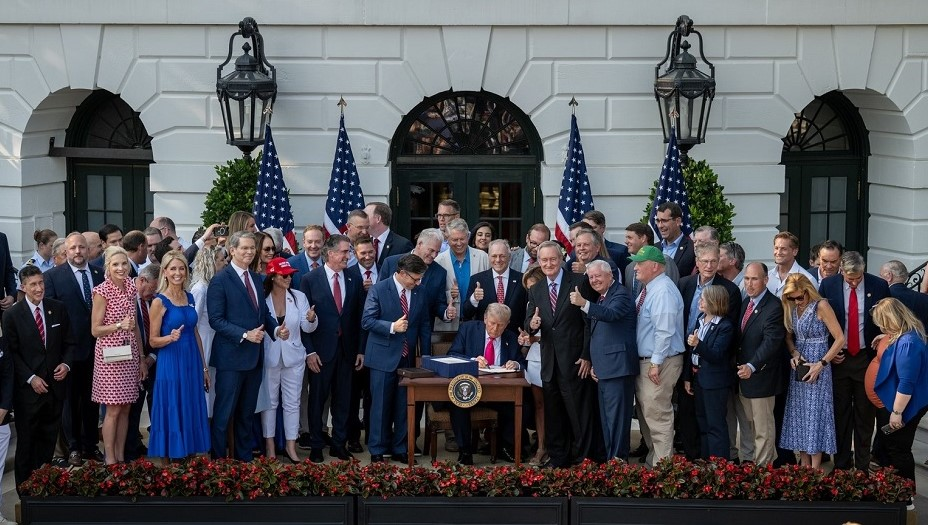
America’s birthday party is over, but we taxpayers are still unwrapping the tax law gift that the Republican-controlled Congress and Trump administration gave us on July 3.
While beauty is in the eye of the tax-advantaged beholder, there’s no disputing the One Big Beautiful Bill (OBBB) Act, officially known as H.R. 1, is big.
It’s almost 1,000 pages. Among them are beau coup tax provisions — old, tweaked, and new — that will affect almost every taxpayer.
For some, it’s a great present. Others will find that it’s not quite what they wanted or were promised.
Good timing: One of the best parts of the OBBB, whether you agree with or are upset about some of its provisions, is that it makes the individual tax components from the GOP’s 2017 tax reform law permanent.
These laws, notably the Tax Cuts and Jobs Act’s individual income tax rates and essentially doubled standard deduction amounts, had been scheduled to expire at the end of this year. Now we know we don’t have to worry about them disappearing from the Internal Revenue Code any time soon. (Spoiler: More about Congressional permanency later.)
Even better, we know about these no-longer-expiring tax provisions and other OBBB measures now. In July. Well before the end of the 2025 tax year that’s the deadline for most tax moves that affect our annual tax bill.
We have six months to examine the tax changes (or extensions) and make moves, new and old, that can benefit us. That’s a welcome relief from the (way too) many times over the years that Congress has passed tax legislation in late December.
Something for most, more for some: So what tax plans do we start making now?
There are some tax benefits that lower- and middle-income filers will find beneficial. The Child Tax Credit was increased. The standard deduction amounts also were bumped up a bit.
Plus, there are new benefits for older taxpayers, workers who get tips, charitable taxpayers who don’t itemize, auto buyers, and folks who pay substantial state and local tax (SALT) amounts.
But it’s also no secret that wealthier taxpayers will benefit more from the OBBB changes.
Tax breaks skewed toward upper income filers include the SALT deduction increase, a permanently higher estate tax, and generous business expensing and partnership accounting.
Non-governmental models — from the Tax Policy Center, Tax Foundation, and the University of Pennsylvania’s Penn Wharton Budget Model — all show that when a person’s income increases, so do the tax breaks in the OBBB.
Shouting out and at the OBBB: So, as I’m sure you’ve figured out by now, this weekend’s Saturday Shout Outs go to some articles and blog posts with more details on what’s in the OBBB. Enjoy the added gifts of tax law change elaboration in the items below.
Tax News & Views Extra: Tax and Budget Bill Heads to President from Joe Kristan, CPA and partner at Eide Bailly LLP.
What Trump’s Megabill Means for You from Jasmine Li for the Wall Street Journal.
How Trump’s big bill will affect you, from Medicaid cuts to tax credits from Julie Zauzmer Weil, Yasmeen Abutaleb, and Jacob Bogage for the Washington Post.
OB3 Act: No Tax on Tips, Overtime, or Social Security from the Tom Talks Taxes newsletter by Thomas A. Gorczynski, EA, USTCP.
House Passes One Big Beautiful Bill Act – Goes to President for Signature and One Big Beautiful Bill Act is Finalized – Biggest Impacts, both from CBIZ.
What Trump’s ‘one big beautiful’ tax-and-spending package means for your money from Kate Dore, CFP, EA, and her CNBC colleagues for the financial network’s web page.
Top five tax changes for the wealthy in Trump’s ‘big beautiful bill’ from Robert Frank, wealth editor for CNBC.
Then there’s the White House’s celebratory take on the OBBB in its website post We are preparing your tax cuts….
And a decidedly less-positive perspective from the Center for American Progress in its post 10 Egregious Things You May Not Know About the One Big Beautiful Bill Act.
UPDATE, and shameless plug, July 7, 2025: My post on how the tax law changes highlight the importance of professional tax help offers tips on finding a tax pro to guide you through the OBBB.
Congressional dictionary: Finally, the promised comment on Congress’ definition of permanent. Basically, when federal legislators make tax laws permanent, that simply means there is no set end date for the provisions.
But, as we see all the time, permanence on Capitol Hill often is transitory. Both tax provisions and other federal law in the U.S. Code are permanent only until another group of Representatives and Senators, along with the president, decide they want to change them and are able to do so.
That’s already happening with the OBBB, now that Donald J. Trump got his July 4 bill signing ceremony.
At that event during the White House Independence Day picnic, there was some talk among Republicans about changes they would like to see to the law.
That possibility also was addressed by Vice President JD Vance, who noted his boss “makes a reform, he sees how it plays out, and he’s always willing to have a conversation in order to make things even better.”
Or worse. Or whatever. Just as long as they don’t mess with taxes again in December.
For now, though, please just let us taxpayers take a look at the changes, get Treasury guidance on some of the new areas (will your tips be exempt?), see the forms (both reporting documents and the ones we’ll use to file our tax returns) that the Internal Revenue Service will update, and talk with our tax professionals about how, based on our personal circumstances, we can make the best of the OBBB tax law changes.
You also might find these items of interest:
- Recent tax reform actions
- Reviewing key tax changes, and the presidents that championed them (Presidents Day 2021)
Advertisements
🌟 Search Amazon Home Audio Products 🌟
The text link above is an affiliate ad. If you click through and then buy a product, I receive a commission.